Fieldorbit is a farming simulation game

Fieldorbit

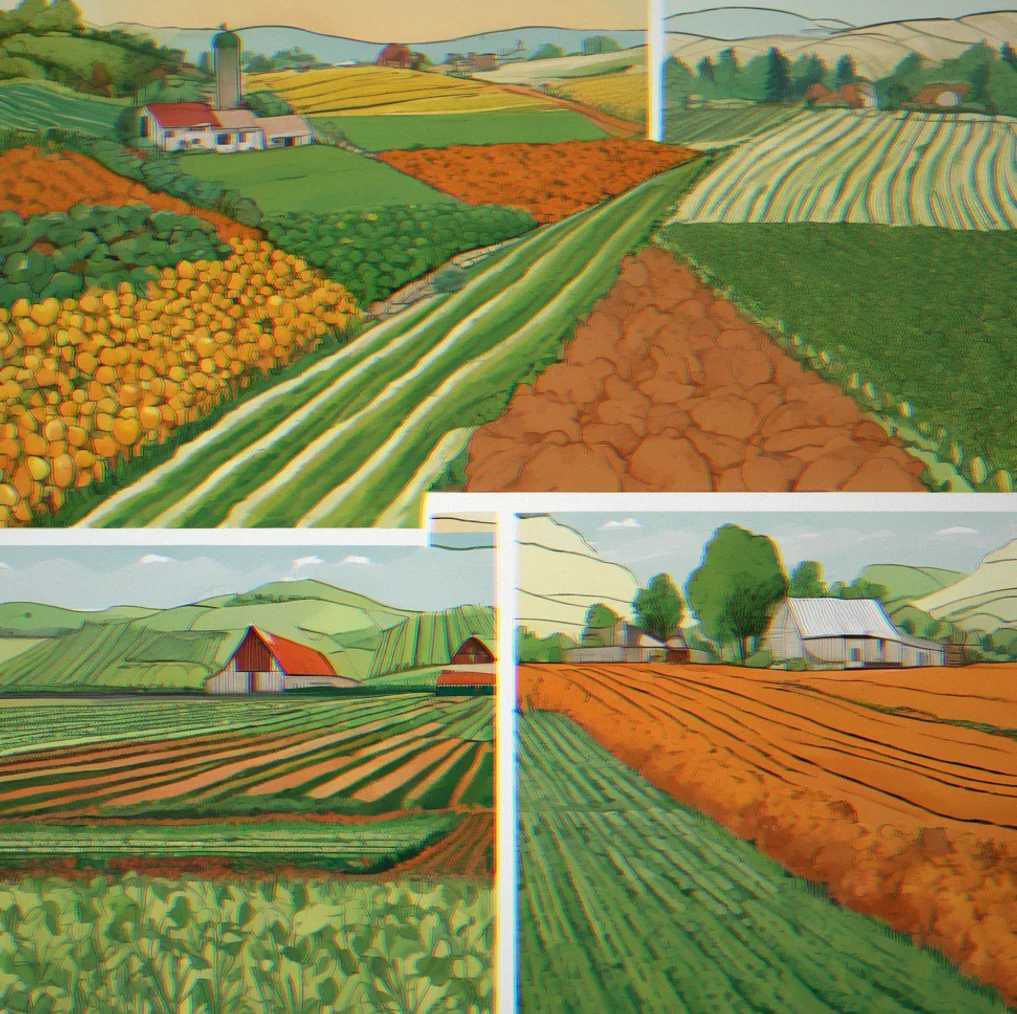
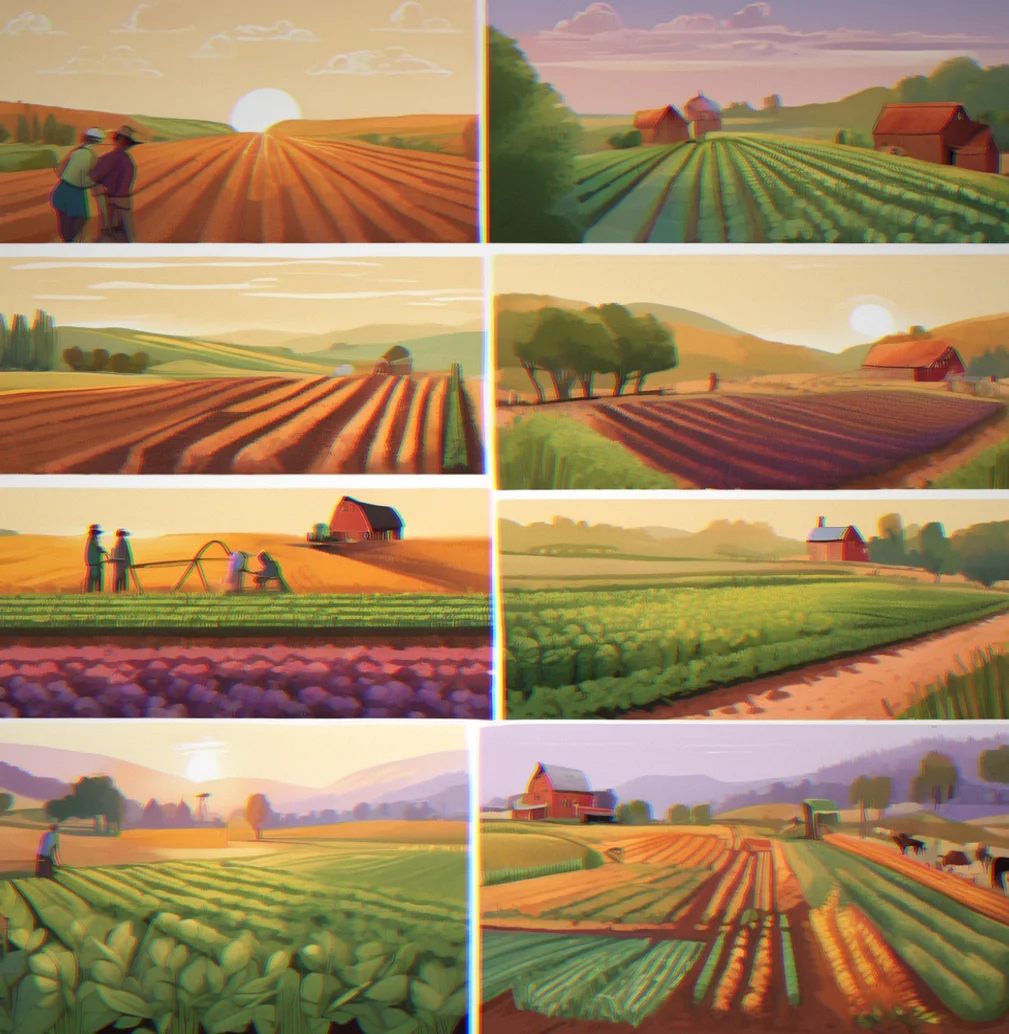
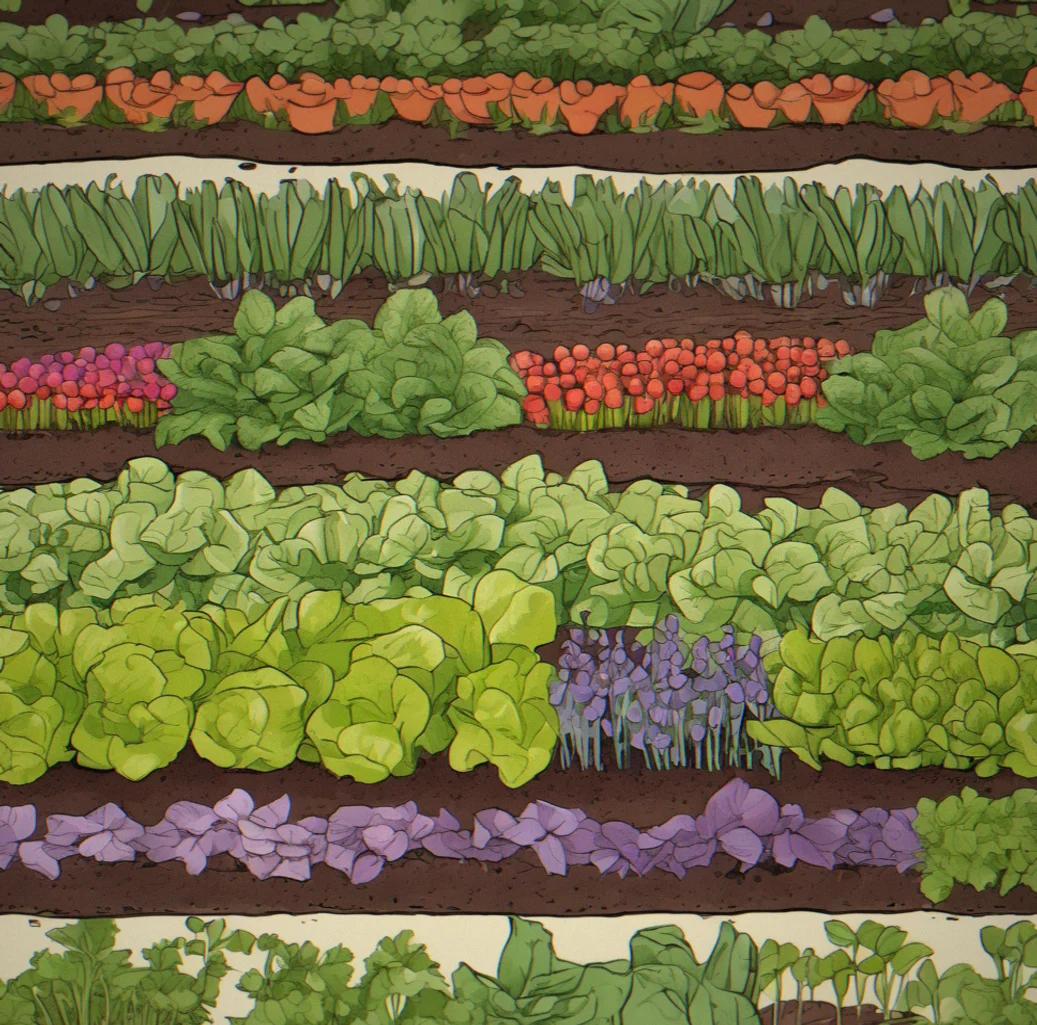
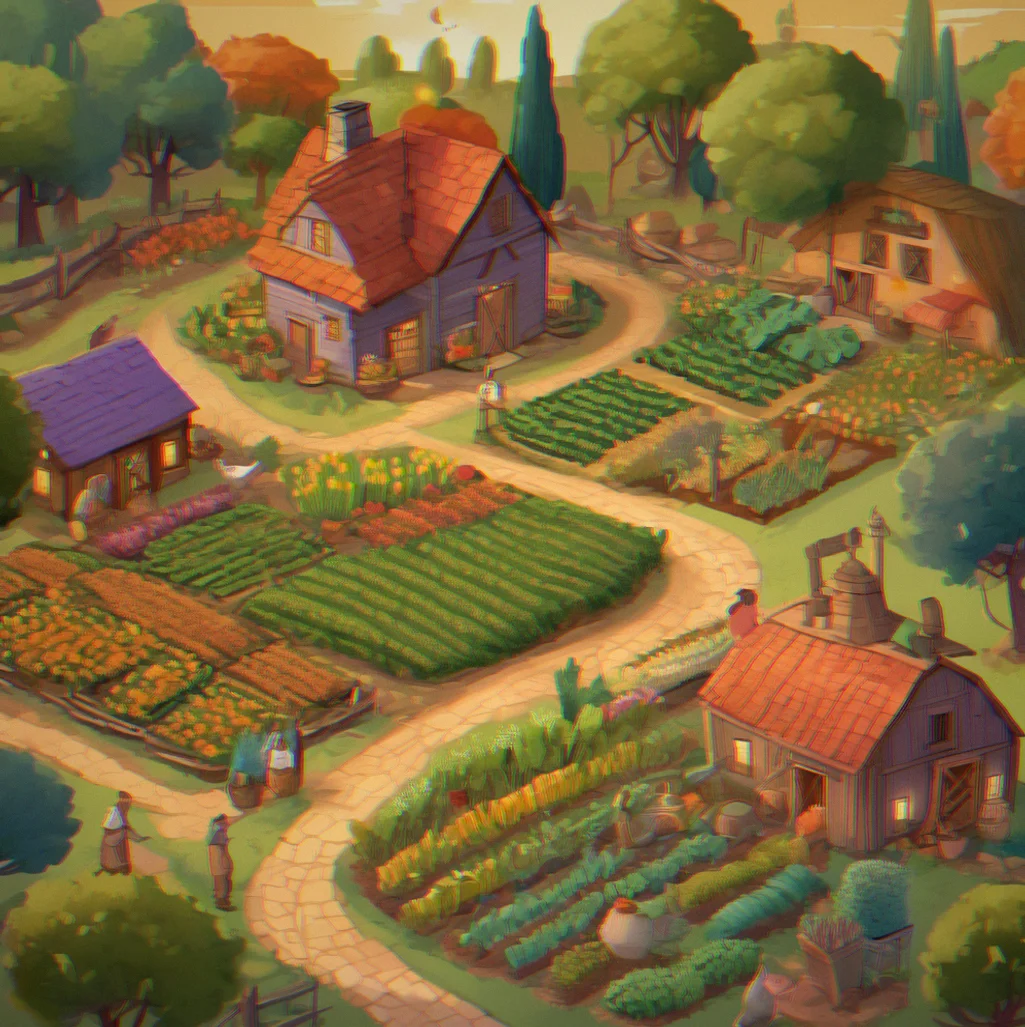
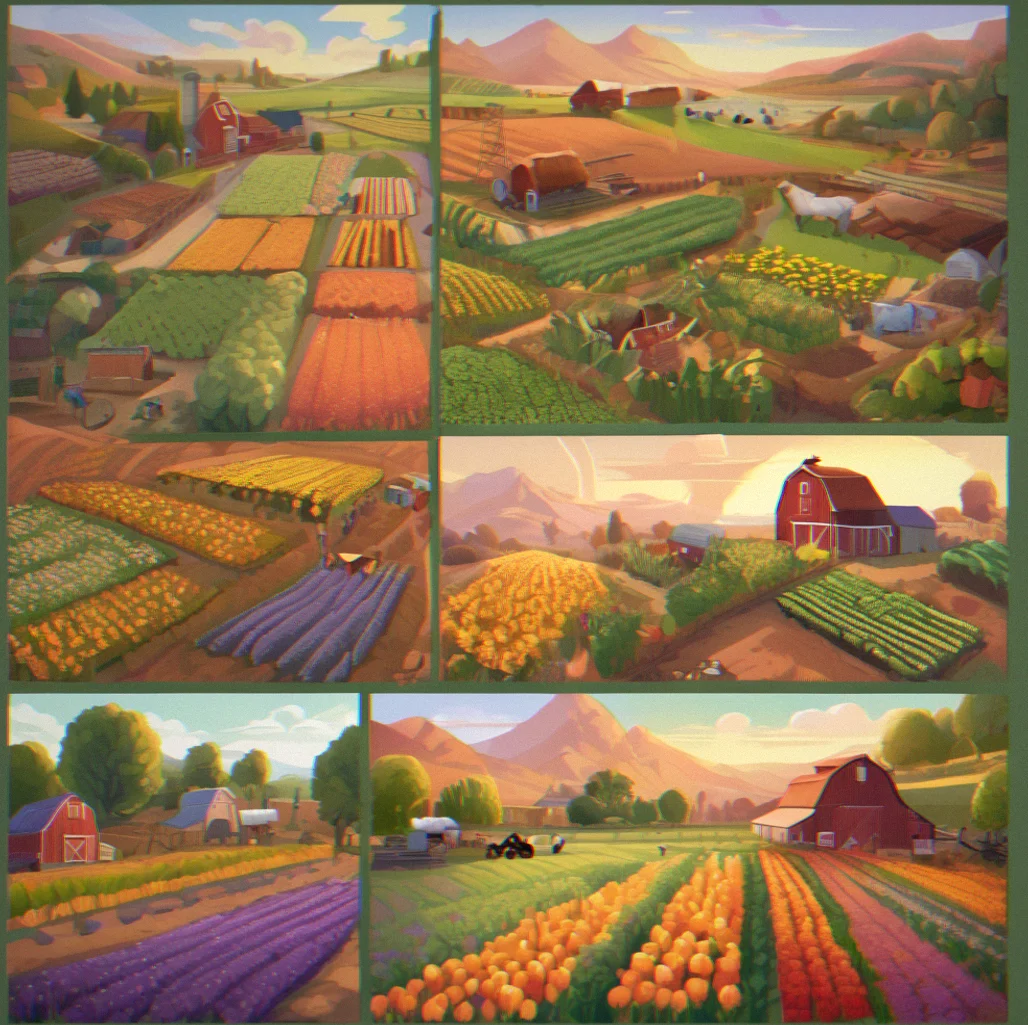
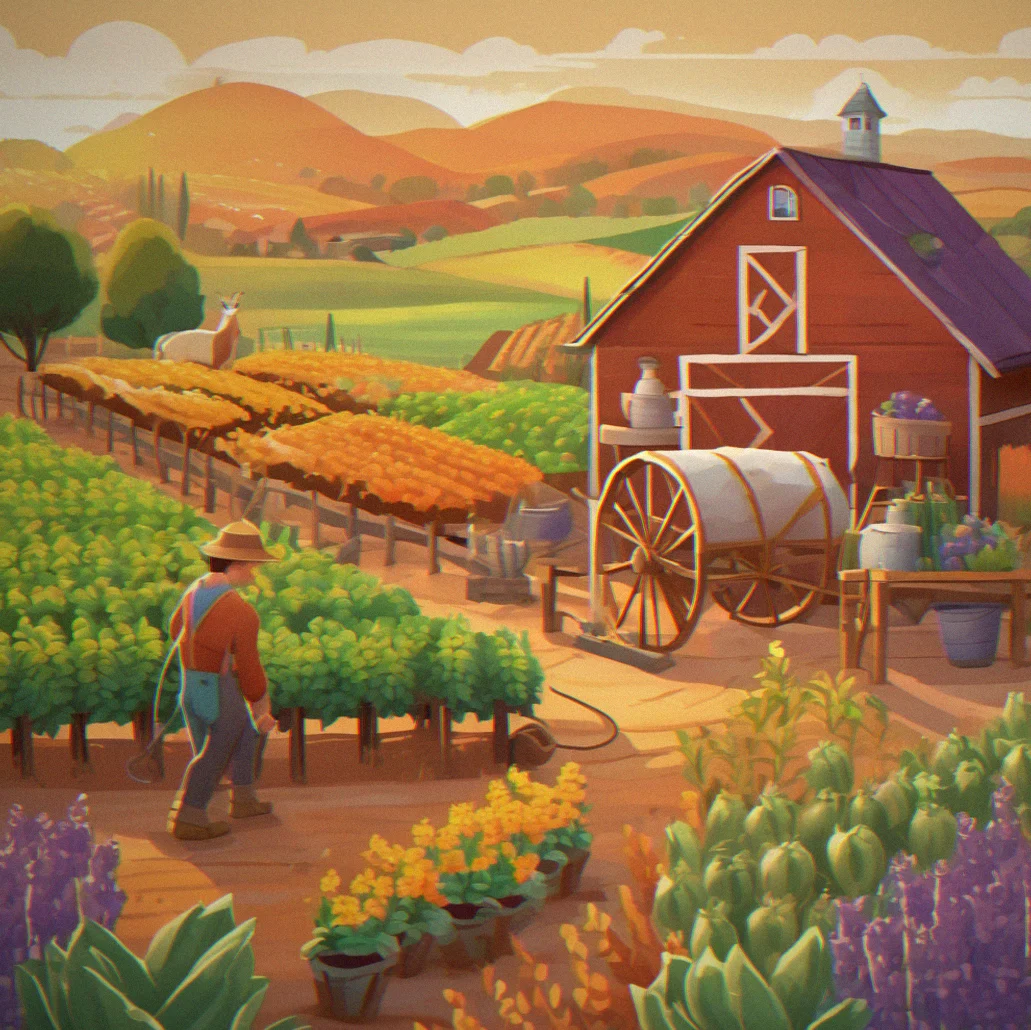
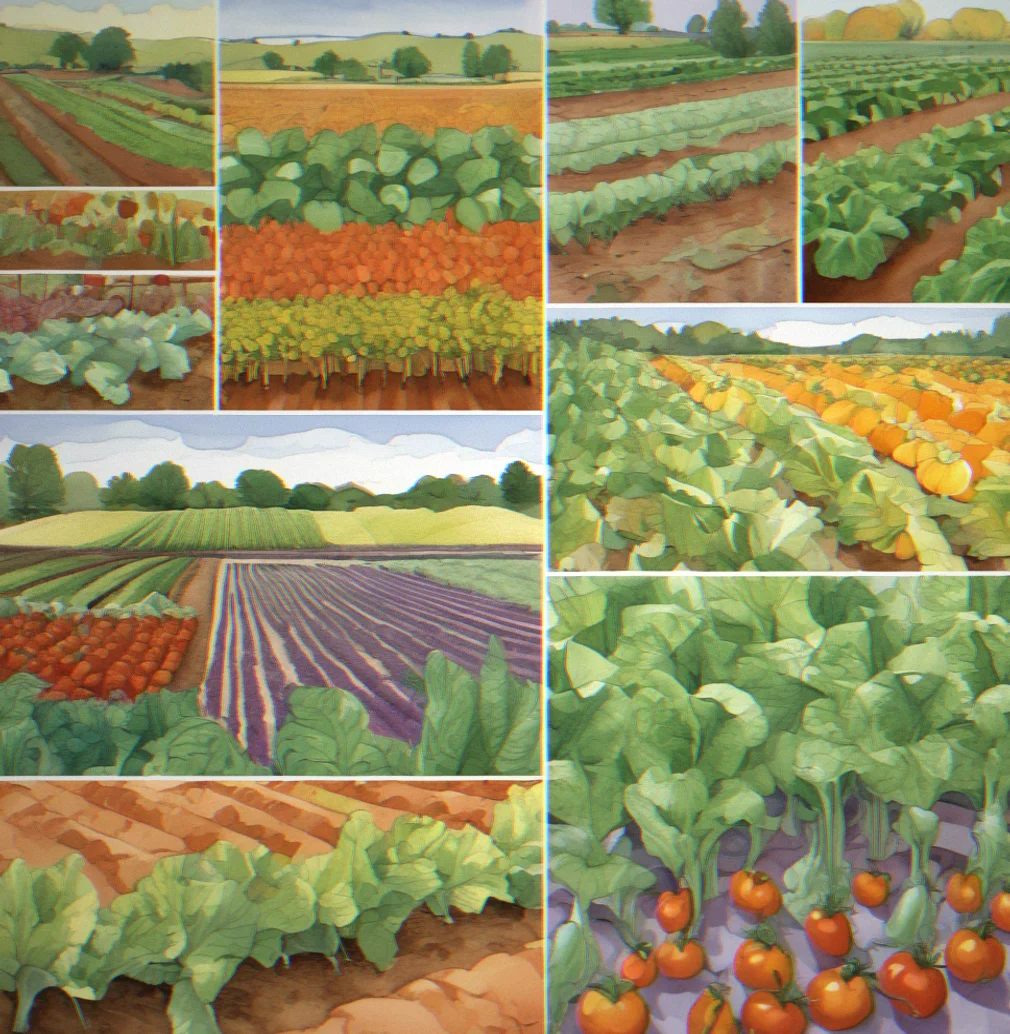
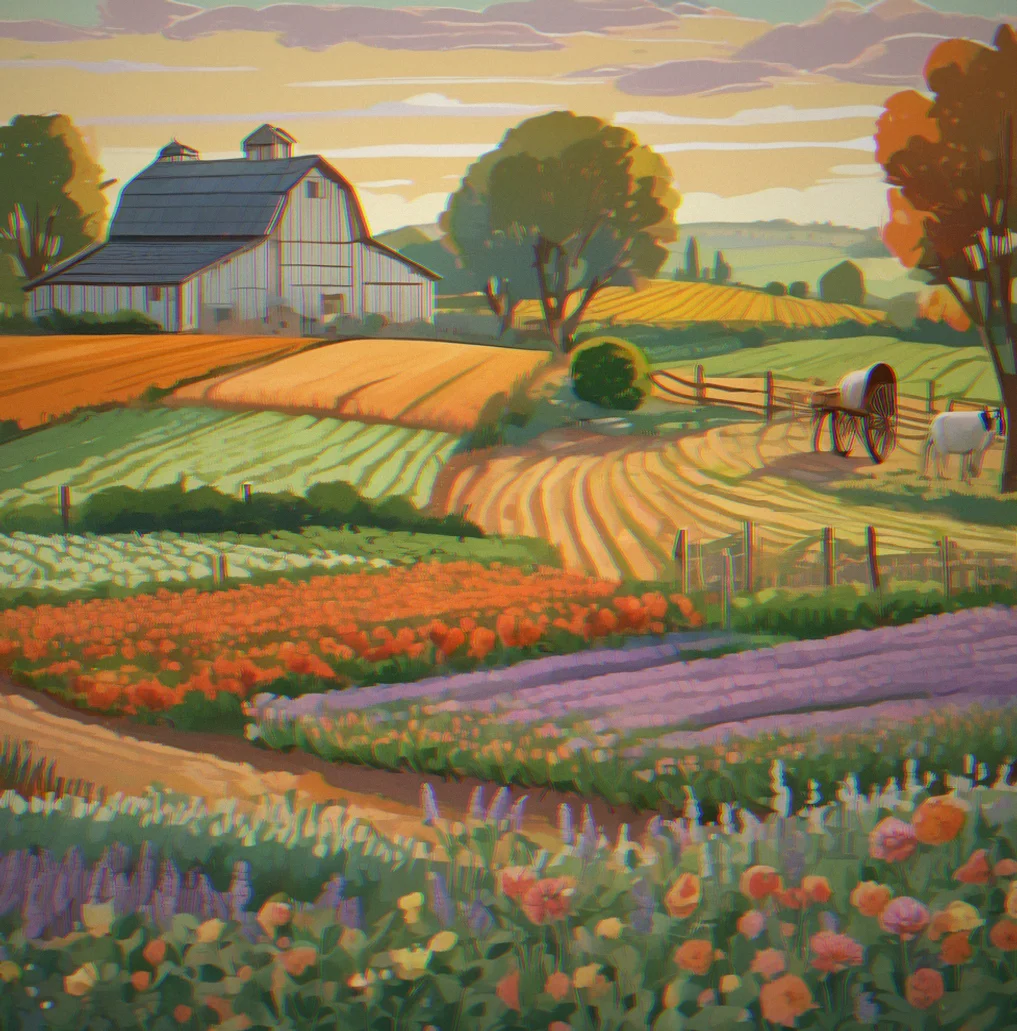
A calm farm scene with crops in straight lines, bright flowers scattered around, and little decorative touches everywhere, all bathed in early morning light

Farming without the stress

Grow something real. No rush.

A farming game where the pressure's actually good—watching your crops come in, making your space exactly how you want it and stumbling onto rare plant varieties whenever you feel like it.

You plant. You water. Things grow. That's it. No stamina drains, no timers nagging you back in, no failure screens. Your farm won't care if you show up twice a week or every day. Crops follow seasons—spring wheat, summer tomatoes, fall squash—and each one can breed into rarer versions if you're into that. The real payoff is seeing a tiny seed turn into an actual harvest, landing that golden carrot after weeks of mixing plants, or arranging your decorations exactly the way you imagined.

What makes Fieldorbit different

Why people keep coming back to this game.

Seasonal cycles that feel real

A split-screen showing the same farm in four seasons: bright green spring crops, golden summer harvest, orange autumn vegetables, and snow-covered winter beds

Spring brings cool-season crops like lettuce and peas. Summer shifts to tomatoes, peppers, corn. Come autumn, you're planting squash and root vegetables. Winter slows the whole thing down but unlocks rare variants you literally can't get any other time of year. Your farm doesn't just change what's growing—it looks and feels completely different every few months. And you're not chasing some quest marker across the map. You're just following the rhythm that makes sense, which honestly beats staring at raid timers.

Cross-breeding mechanics that reward patience

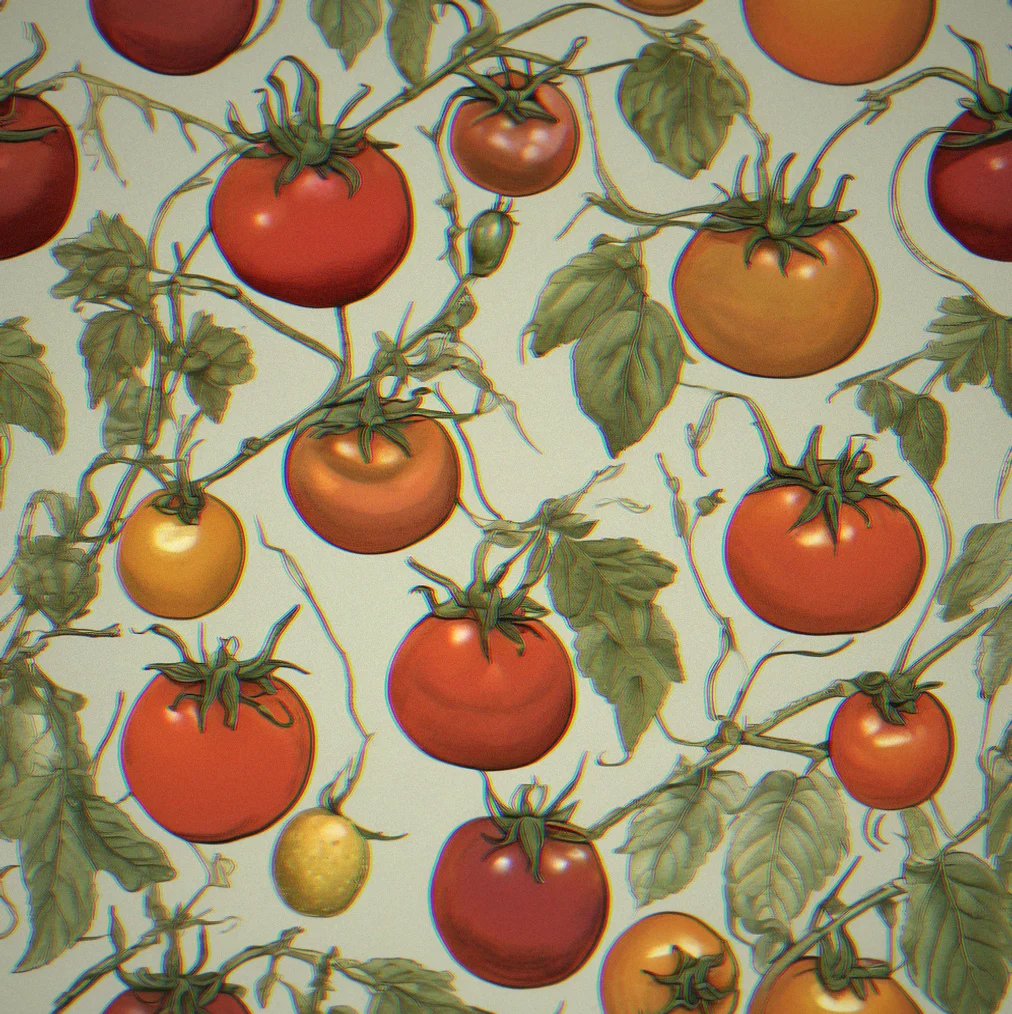
Three tomato variants displayed in a progression: red, deep burgundy, and glowing golden, with small arrows showing the breeding path between them

You take two crop variants, combine them, and wait. Sometimes it's a few days. Sometimes weeks drag by. Then something new appears—maybe a color you've never seen, maybe a texture shift, maybe something totally unexpected. Rare variants don't drop from loot boxes or gacha pulls. They come from your own tinkering. You might cross red tomatoes with orange ones for a month straight, get annoyed, keep at it anyway, and then boom—a golden tomato shows up on your vine.

Your farm layout is actually yours

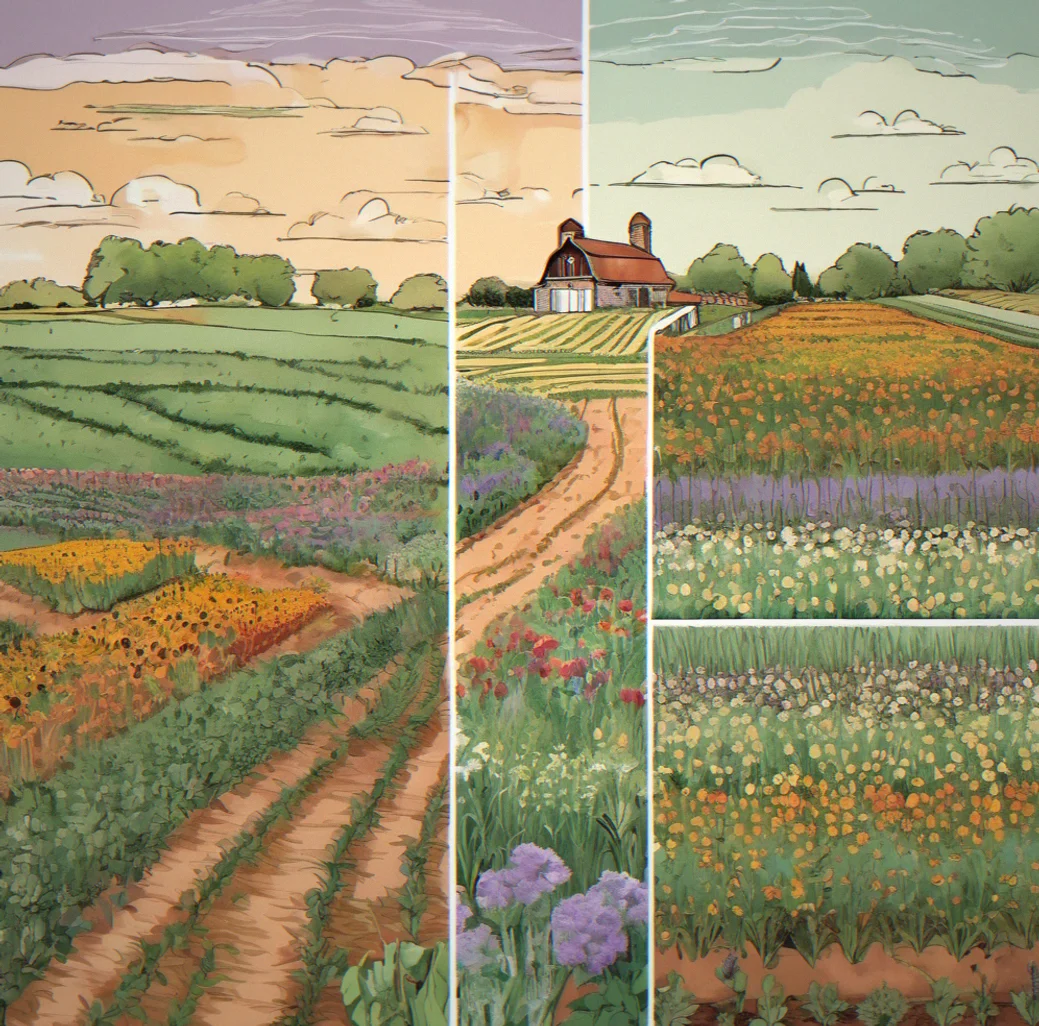
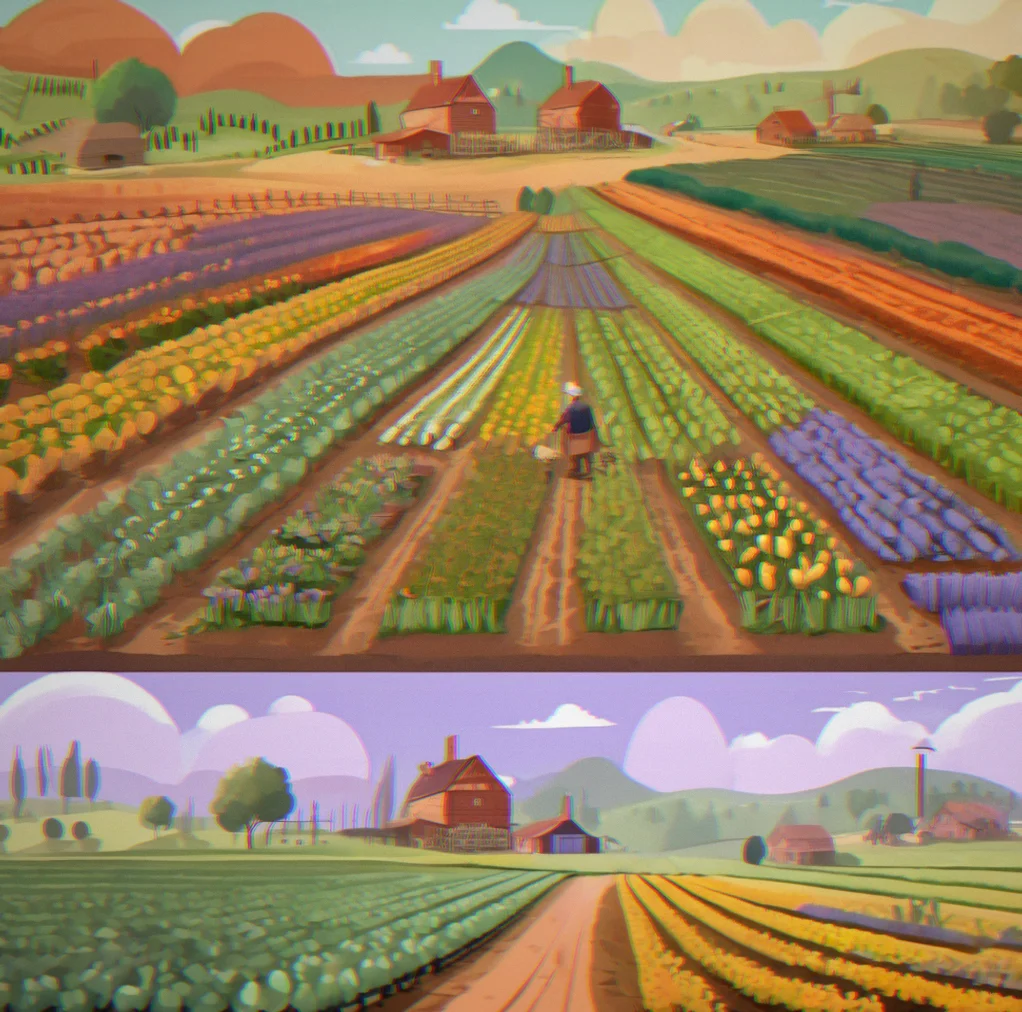
Two contrasting farm layouts side by side: one with neat rows and orderly paths, the other with wildflower patches and winding decorative arrangements

No grid snapping. No "this is the way you should play" vibe. You've got over 50 decoration types to place however you want—neat organized rows if that's your style, or a wild flower forest if you're in the mood. Fences, benches, fountains, lanterns, scarecrows. Paint them different colors. Two people's farms end up looking completely different from each other. That's intentional. Your farm is a reflection of how you think, not how the game decided you should arrange things.

How Fieldorbit actually works

No timers. No stamina. No losing.

A calendar showing plaant icons scattered across different days with no required pattern

Plant on your own schedule

Drop seeds whenever. Water once a day or don't touch them for a week—they'll survive. Your crops just sit there waiting. Plant a handful or plant dozens. The game adapts. Carrots mature in about 4 days. Pumpkins take closer to 3 weeks. You pick the pace.

Four crop illustrations in a sequence showing color progression from common to rare variants

Breed rare variants slowly

Cross two crop types and wait. You might get a mutation or you might not—it depends on what you're mixing. Some variants show up after dozens of harvests. Others need several weeks of careful work. Want a golden carrot? That's months of deliberate effort. When you finally get it though, you know you actually did something.

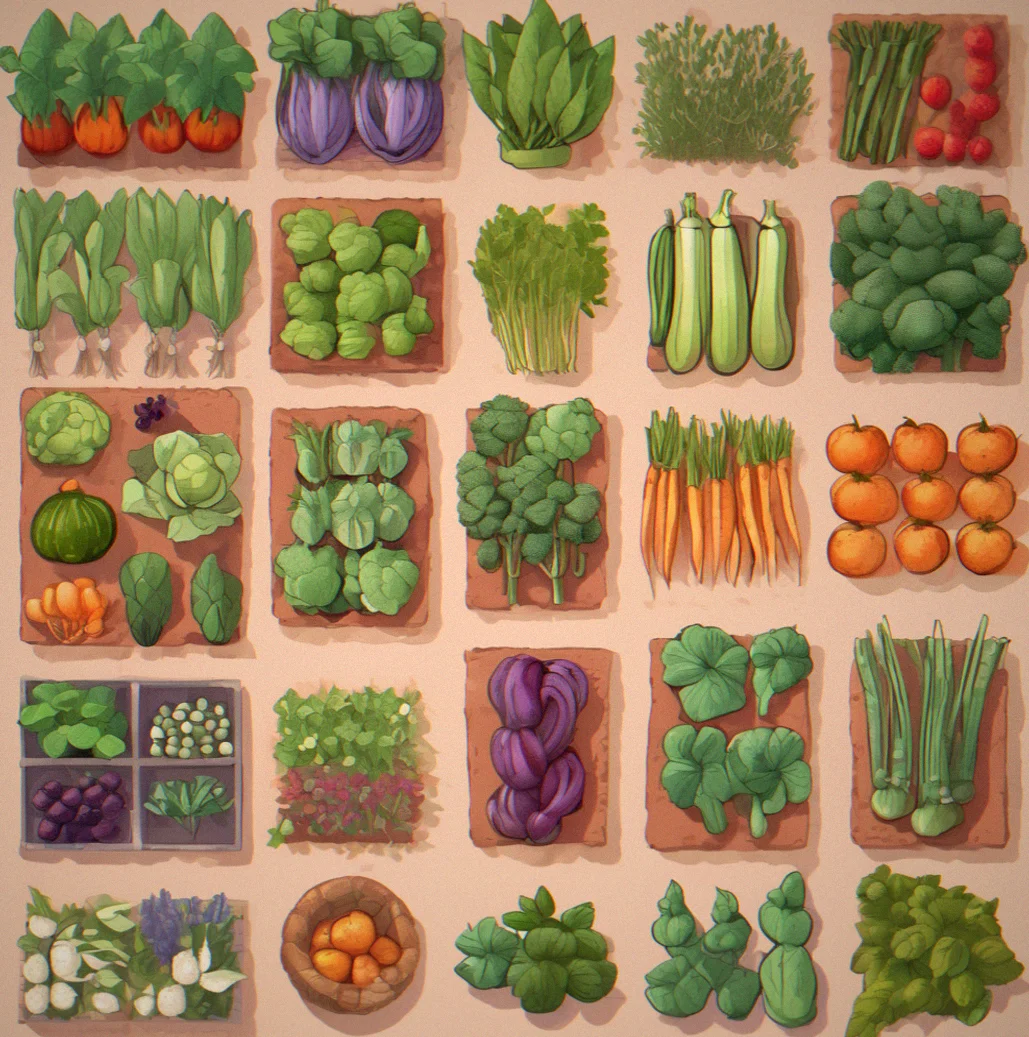
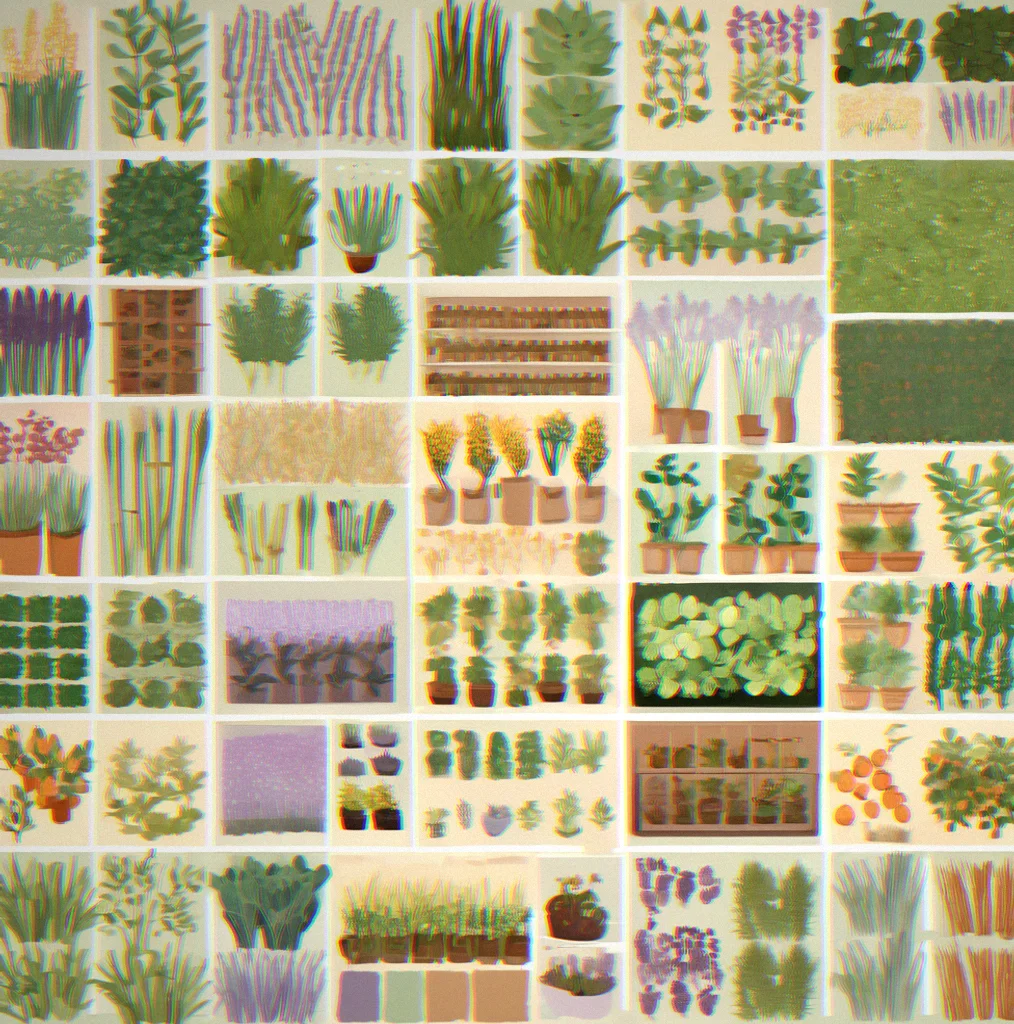
A grid display of crop varieties showing different colors and patterns of the same vegetable type

Collect 30+ crop types and variants

Every crop has multiple looks. Tomatoes come in classic red, dark burgundy, pale pink, golden, striped. Lettuce exists in three forms. Wheat comes in four. Getting the full set takes real time. Way more satisfying than grinding for points. Your collection grows even when you're not paying attention.

Two farm layouts side by side showing different arrangement styles and decoration placements

Design your farm however you want

No grid restrictions. No forced snapping. Throw down 50+ decoration items—benches, fountains, fences, trees, lanterns—wherever they look right. Paint fences in seven colors. Arrange pathways to match how you think. Two people's farms look nothing alike. Both are correct.

What you get

No stamina meter

Plant 4 crops or 40. Water whenever you feel like it. There's no energy system punishing you for playing too much, and that's actually refreshing.

Crops grow offline

Step away for a few days and come back. Your wheat's done, tomatoes are ready to harvest. The farm keeps moving even when you're not there.

4 seasonal cycles per year

Spring shows up with lettuces and peas. Summer swaps in tomatoes and peppers. Fall leans heavy on squash. Winter opens up some rarer vairants you can't get any other time. The whole place shifts with the seasons.

50+ decorations to place

Fences, benches, fountains, lanterns, scarecrows, trees—you've got plenty to work with. Color them however you want. No grid fighting you, no rulebook. Just arrange it.

30 crop types with variants

Every crop comes in a few different looks. Golden carrots, striped tomatoes, burgundy peppers. Some are locked behind weeks of cross-breeding if you want to collect them all.

One upfront cost. That's it

Five bucks gets you the full game. No battle pass hanging over your head. No ads. No monthly subscription. You can grab cosmetics if you want, but they don't change how the game plays.

How progression works

No achievements. Just growth.

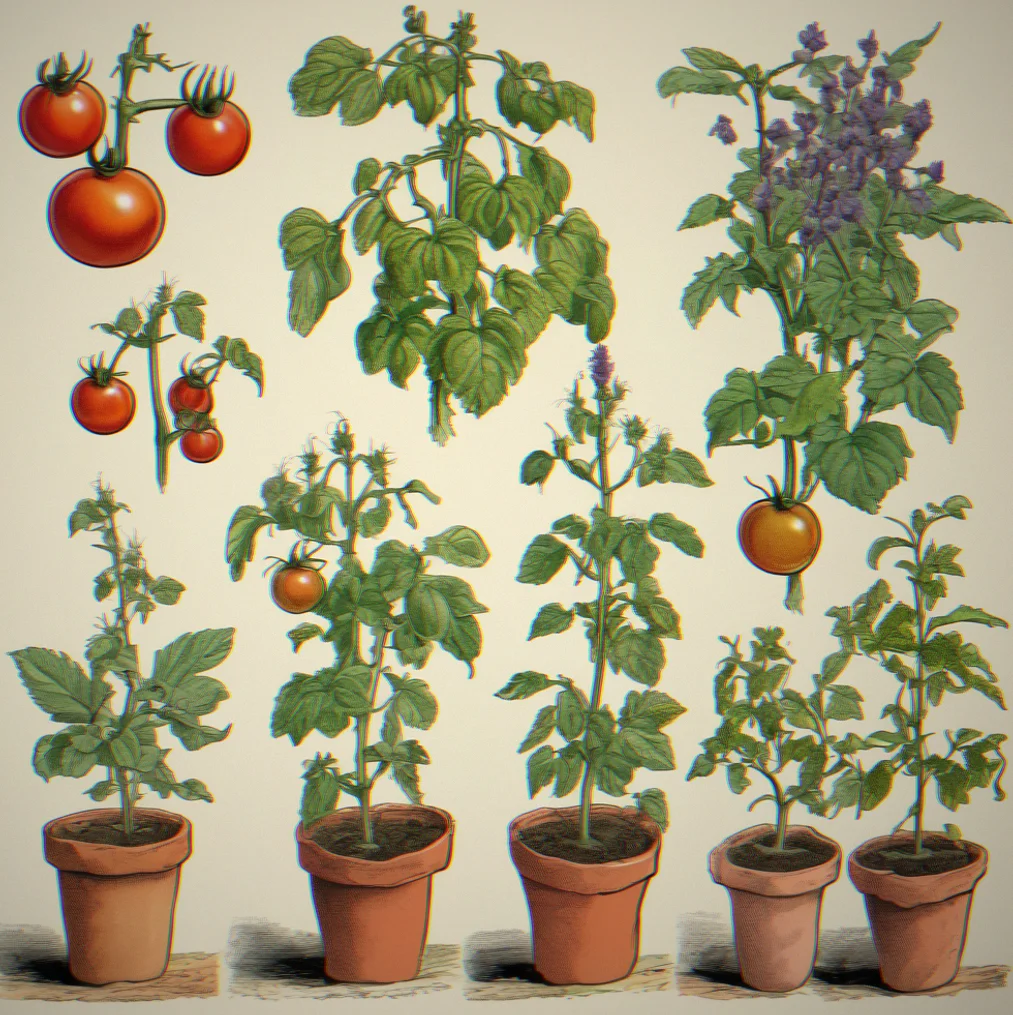
A single tomato plant shown in five stages from tiny seedling to mature flowering plant with ripe fruit, arranged left to right

What happens when you remove the win condition? You stop grinding toward a finish line and start actually noticing things. Your farm in spring looks nothing like your farm in winter. A crop you planted a month ago is now ready to harvest. You bred two variants together and got something new. These aren't milestones tracked by the game—they're just things that happened because you chose to plant them and wait.

Your farm keeps everything in Fieldorbit. Every crop you've grown, every decoration you've placed, every variant you've collected stays put. Log in once a week or twice a day—it doesn't matter. The pace is yours. Some players spend half a year on their first season, experimenting with different crop combinations and layouts. Others race through multiple seasons in weeks. Neither is wrong. The game fits whatever rhythm you brign to it.

New content unlocks as you play. Hit certain harvest milestones and new crop types show up. Expand your farm grid using currency from selling harvests. No paywalls. No grinding one specific crop to unlock the next tier. Cross-breed intentionally or stumble into rare variants by accident. The rush isn't from timers or achievement pop-ups. It's the moment you realize your collection grew, your farm looks different than last month, and you actually want to log in tomorrow.

How your farm comes together

Spring garden just planted with lettuce and pea seedlings poking through dark soil
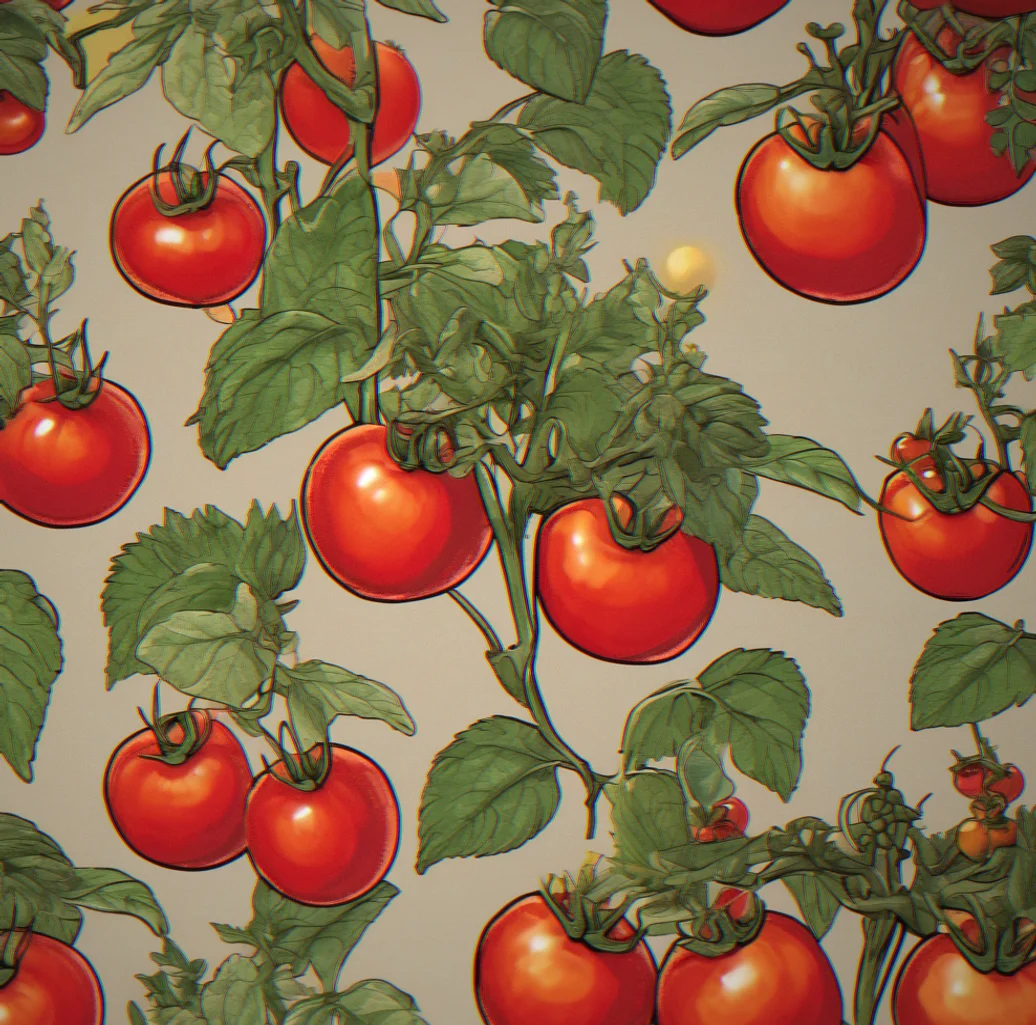
Tomato plant loaded with ripe red fruits and one golden one catching the light
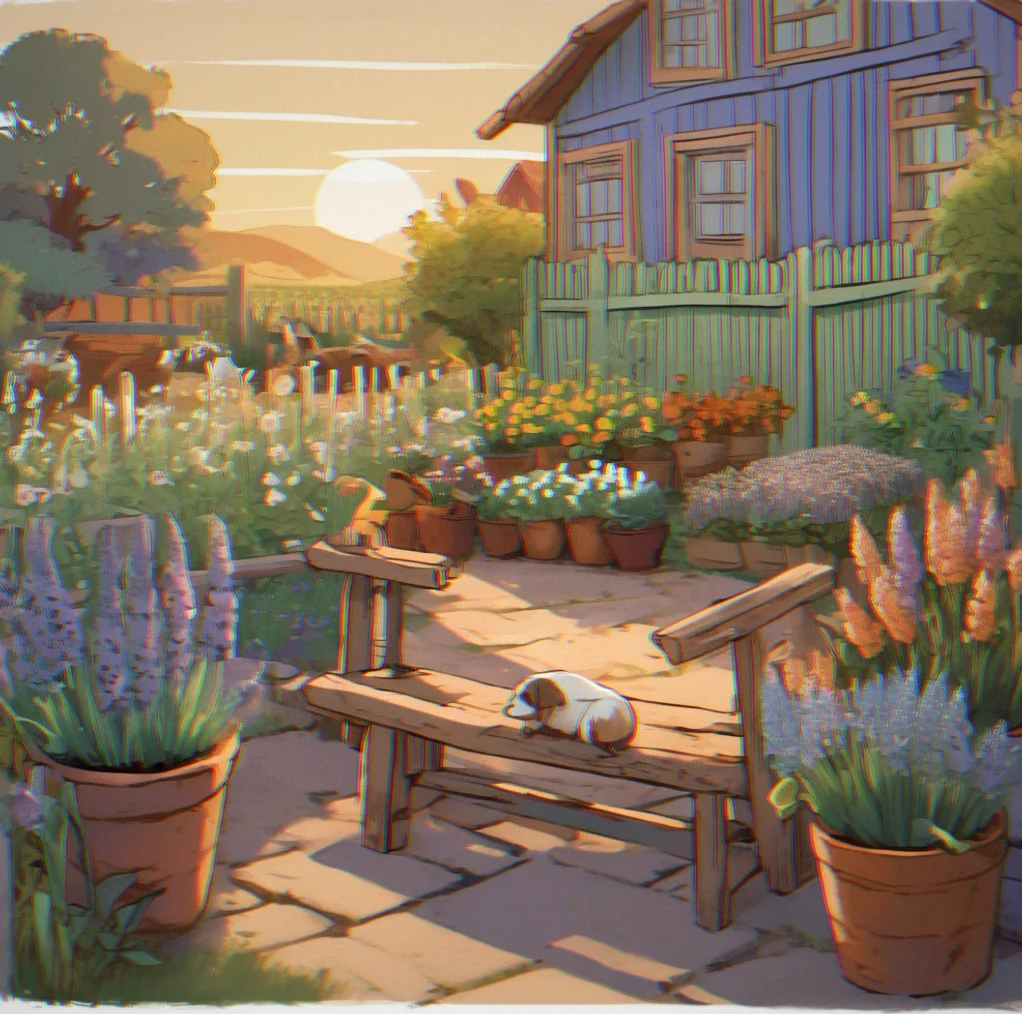
Farm corner with a wooden bench, potted flowers, and a blue-painted fence
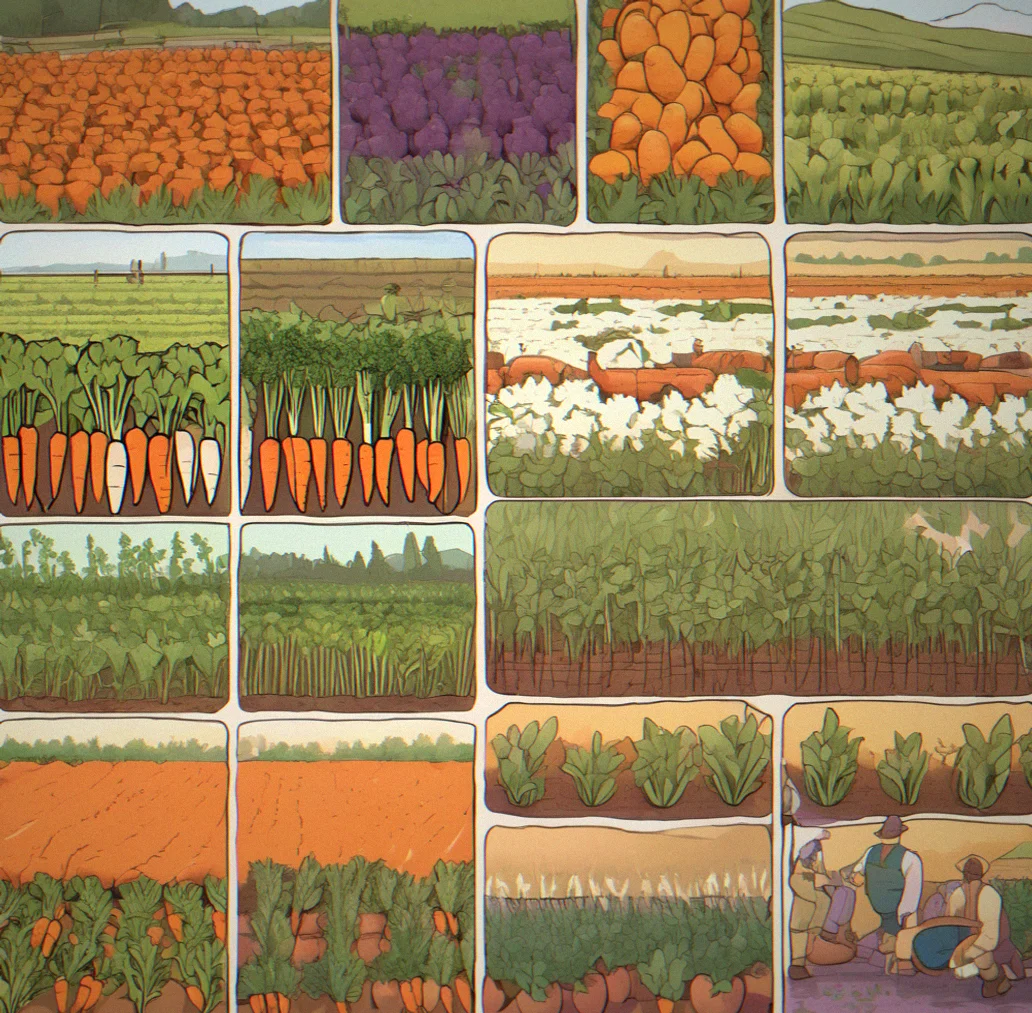
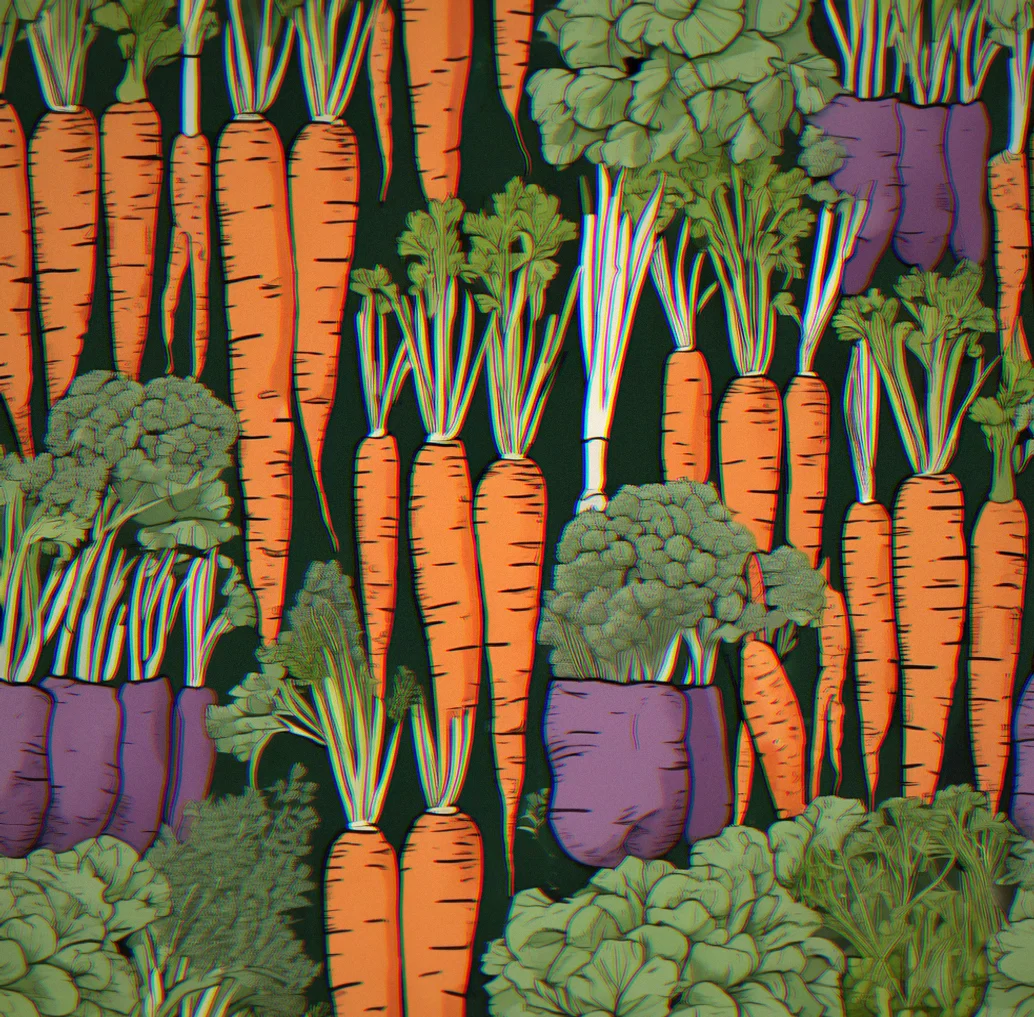
Carrot variants lined up: orange, pale yellow, deep burgundy, and striped
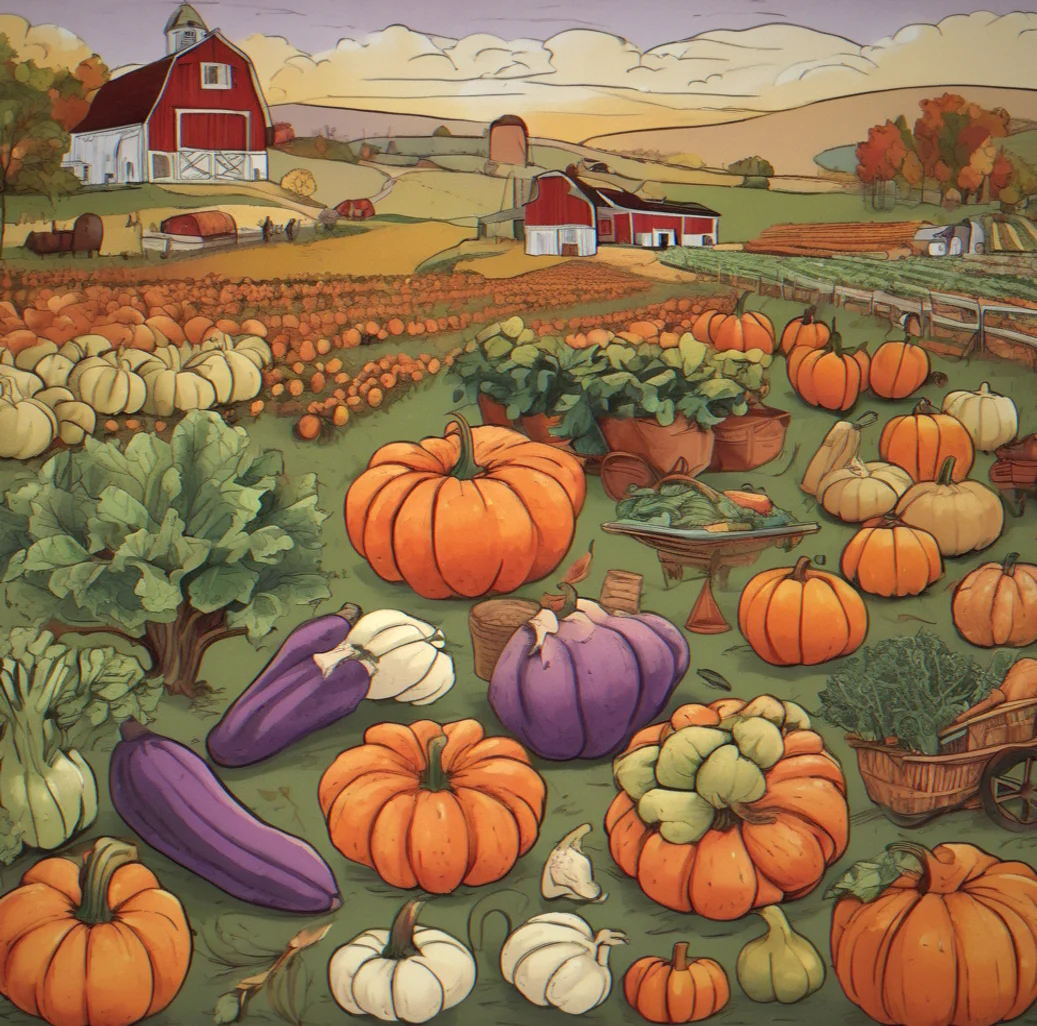
Autumn harvest spread across the farm with pumpkins, squash, and root vegetables ready to go
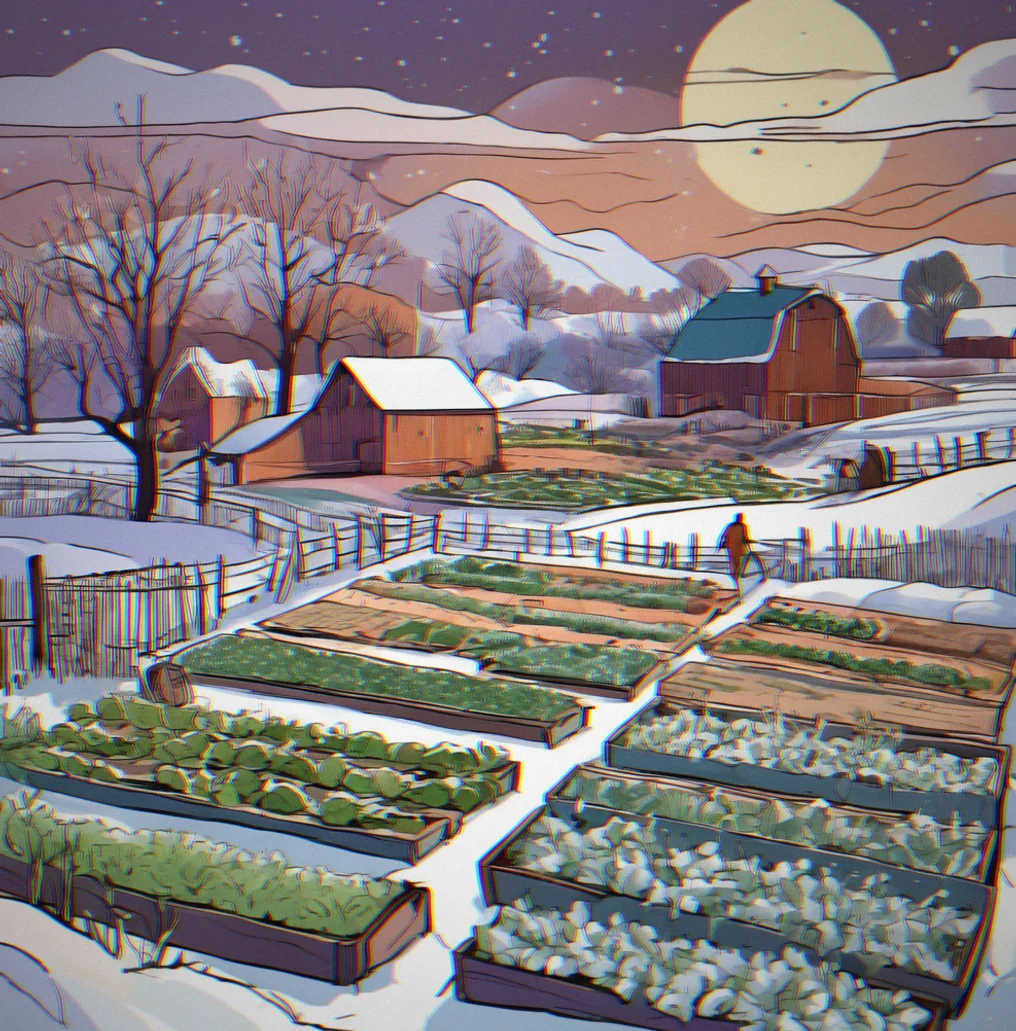
Winter farm with snow over raised beds and dormant crops under a clear night sky
Farm layout with pathways winding between crops, lanterns and trees placed throughout
Collection display showing different crop types in a grid with multiple color variants each
Cross-breeding results with parent crops on the sides and the new mutated variant in the middle
Farm at golden hour with decorations, mature crops, and a player character watering plants
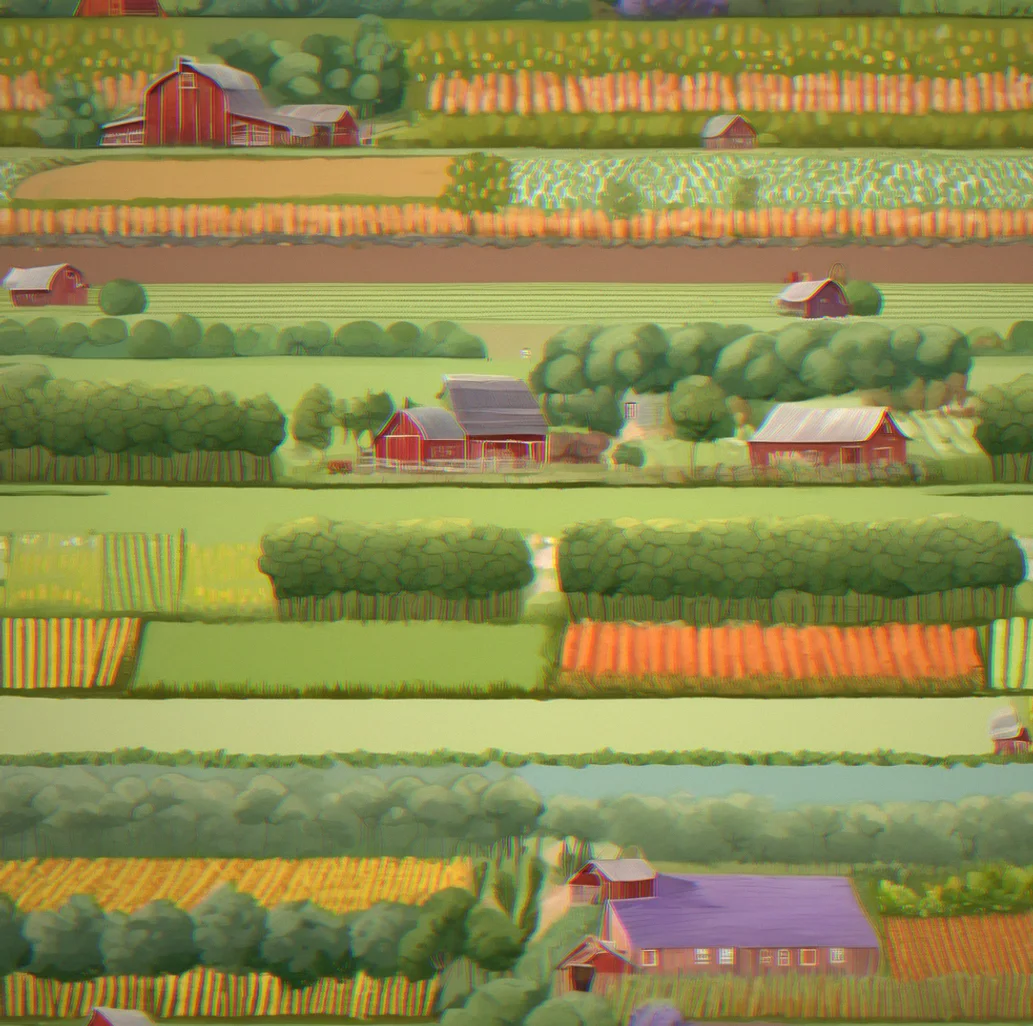
A neat farm with summer crops arranged in tidy rows, fenced in with a soft green painted border

Your farm, your way

Everyone's farm looks different. There's no rulebook for how things should go. Plant whatever you want, put decorations where they make sense to you and build something that actually feels like yours.

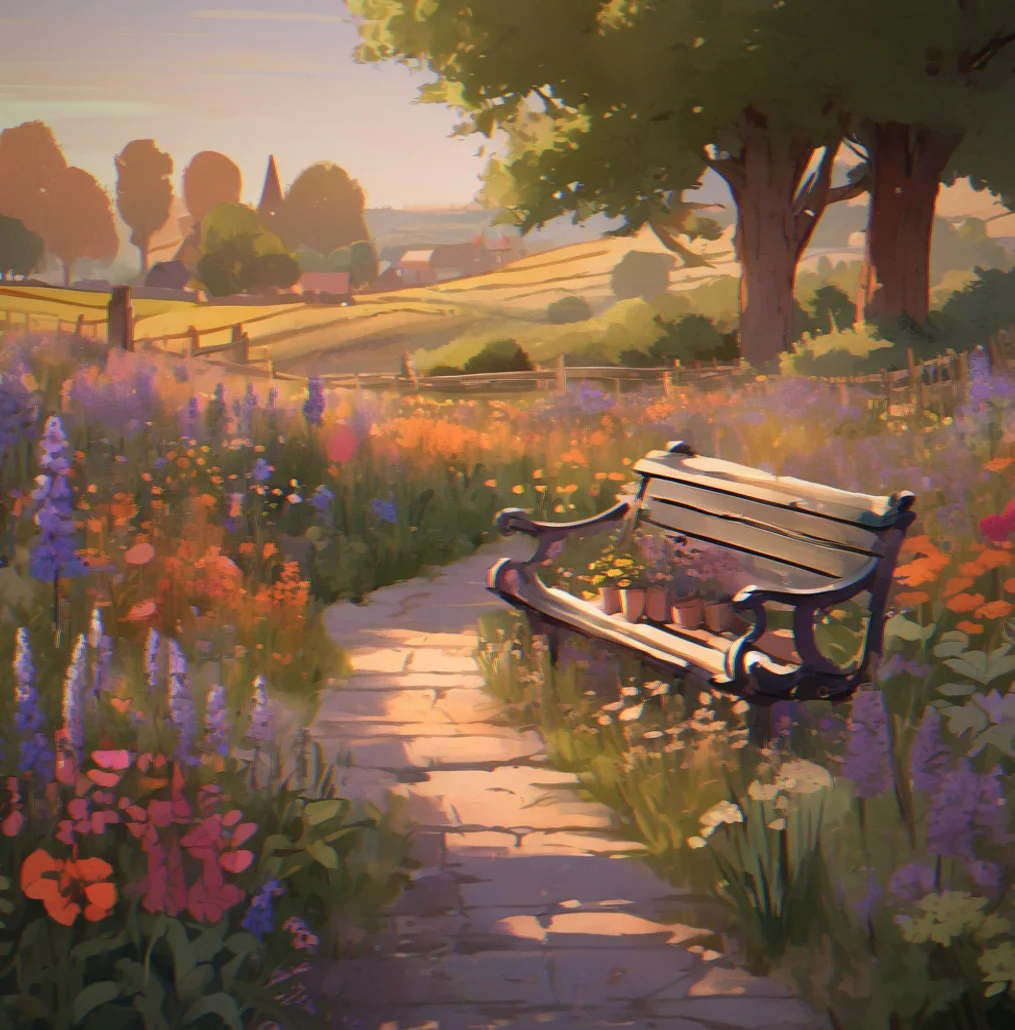
Wildflowers mixed in with benches and lanterns scattered around, nothing matching but somehow it works
One farm split into four sections — spring lettuce on the left, summer tomatoes taking up the middle, autumn squash filling the right side
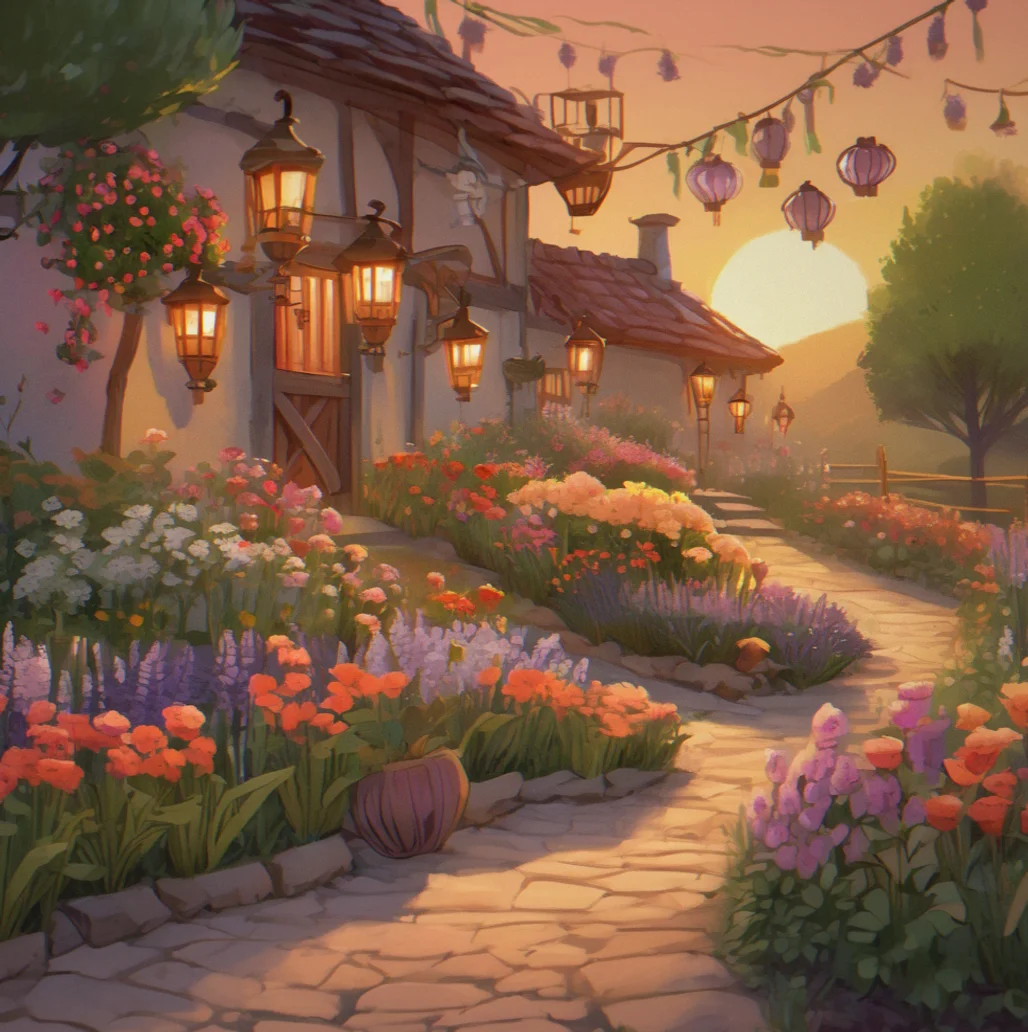
A path lined with potted flowers and lanterns glowing warm, leading back into the farm
Different carrot varieties lined up in a single raised bed, sorted by color from light to dark
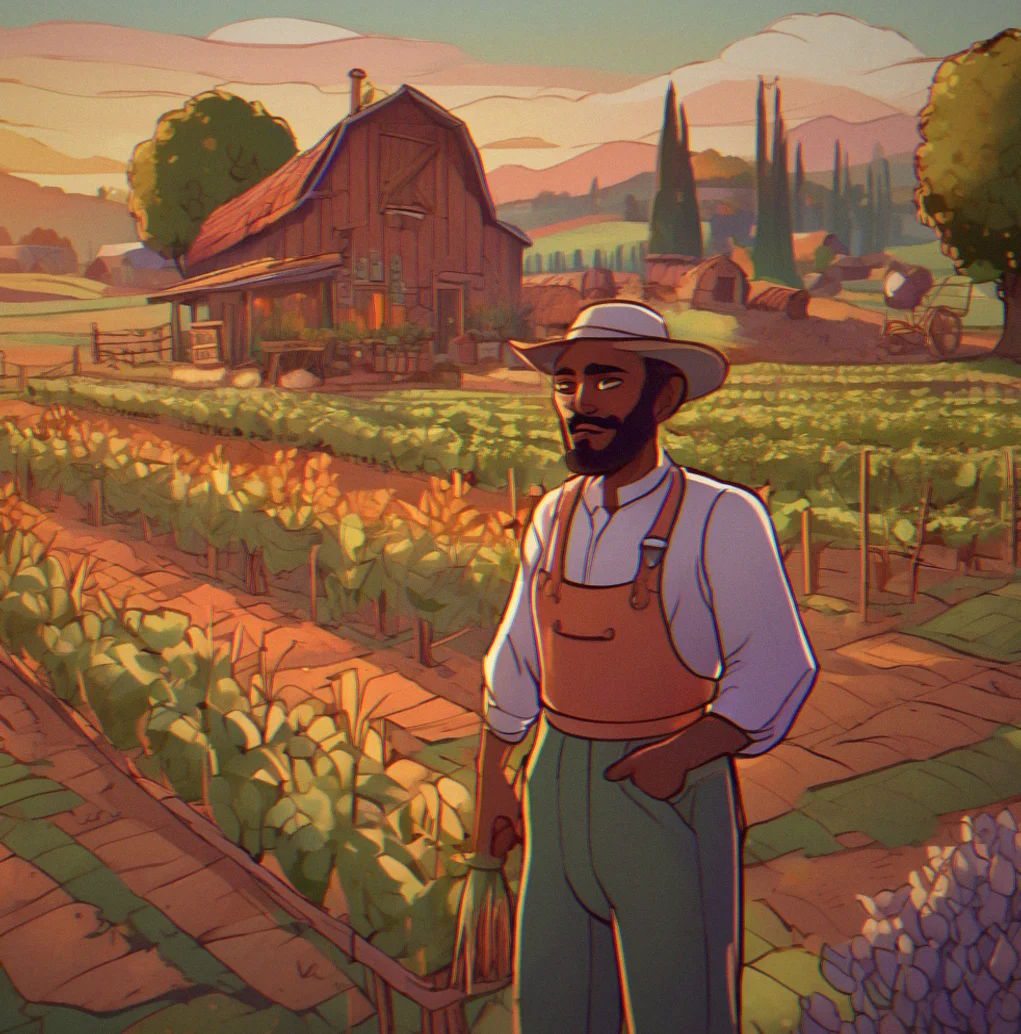
A player standing in the middle of their farm at sunset, surrounded by full crops and custom decorations they built
Questions

Common questions about Fieldorbit

People ask these after actually playing or considering it. Straight answers, no sales pitch.

No. They just sit there. Come back after a week, a month, whatever — they're ready when you are. The game works offline.

No streaks, no penalties for missing days. Play when it suits you. Your farm won't punish you for taking time off.

A few weeks for some variants after multiple cross-breeding attempts. Others take months of tinkering. A golden carrot is roughly a season-long commitment if you're serious about it. That slowness is intentional.

Completely. The upfront cost handles everything. There are optional cosmetics — farm themes, decoration packs — but they're cosmetic only. No battle pass, no ads to remove, no pressure to spend more.

Progression is something you see and feel. Your farm expands, your crop varieties accumulate, decorations fill the space. New crop types unlock at harvest milestones — hit 100 tomatoes and you get five new options. It's not a bar filling up, but it's tangible.

Move it all. Decorations place freely without a grid, so rearranging is quick. No cost, no consequence. Plant something different tomorrow. Your farm can be completely redone whenever.

No. The seasonal system is different, the breeding works on different logic, and customization here means actual freedom — no grid, no "right" way to arrange things. It's in the same genre those games created, but it's its own thing.